WASY


TheWASY (Wall Adaptive System)is an innovation in thebuilding insulation sector, developed toovercome the limitations of the traditionalArmored Cladding.
This new system is designed to befully modular, robotizable, and removable, while ensuringstructural resistance, installation efficiency, and long-term durability.
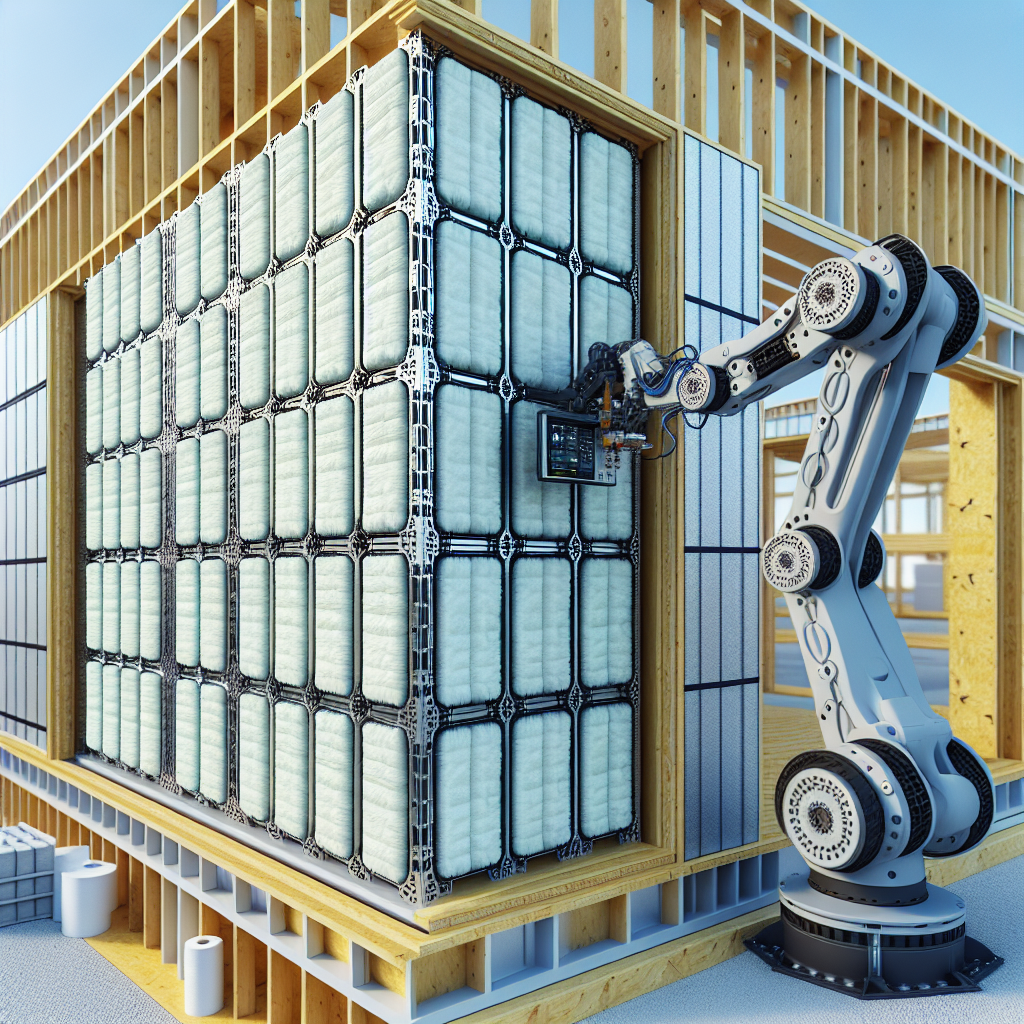
Automatized intallation
the WASY system is designed to be installed by robots.
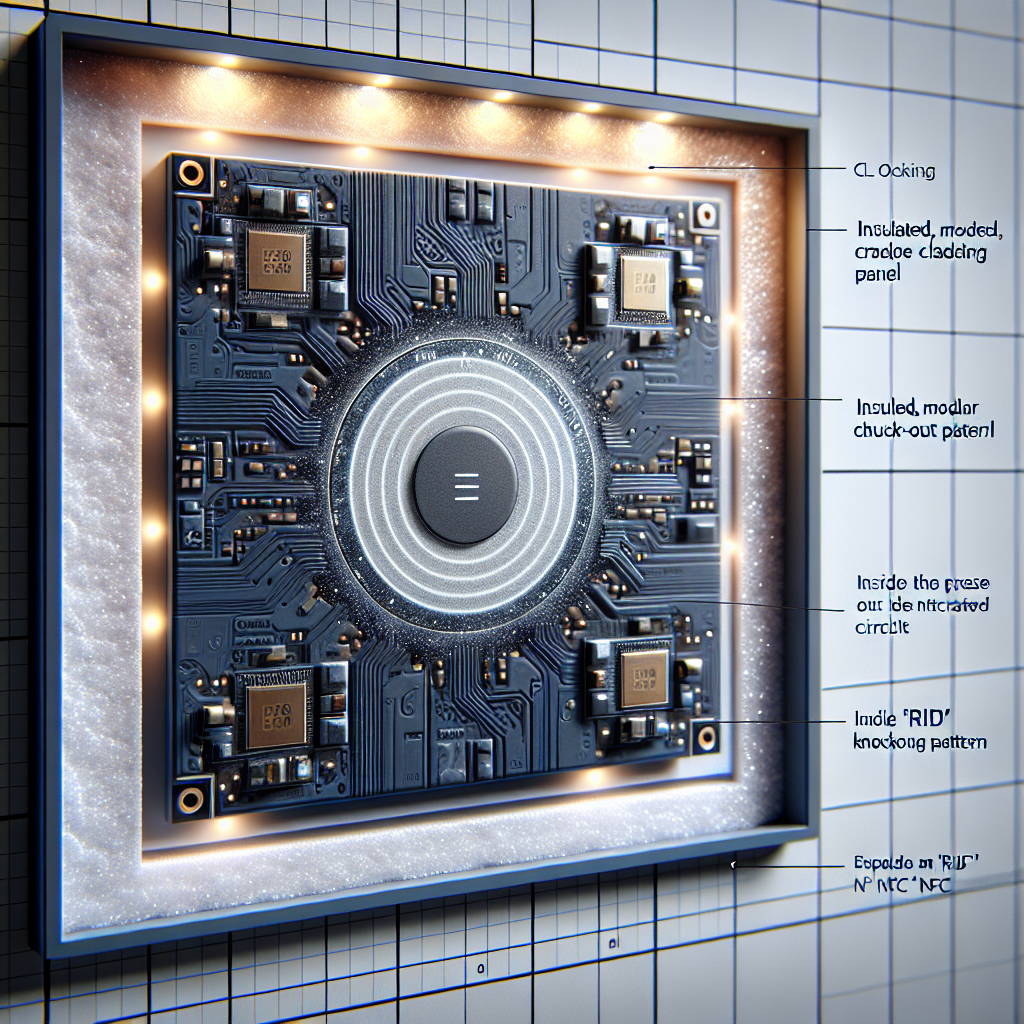
NTAG integrated
allow the robot to recognize the panel, reading in real-time
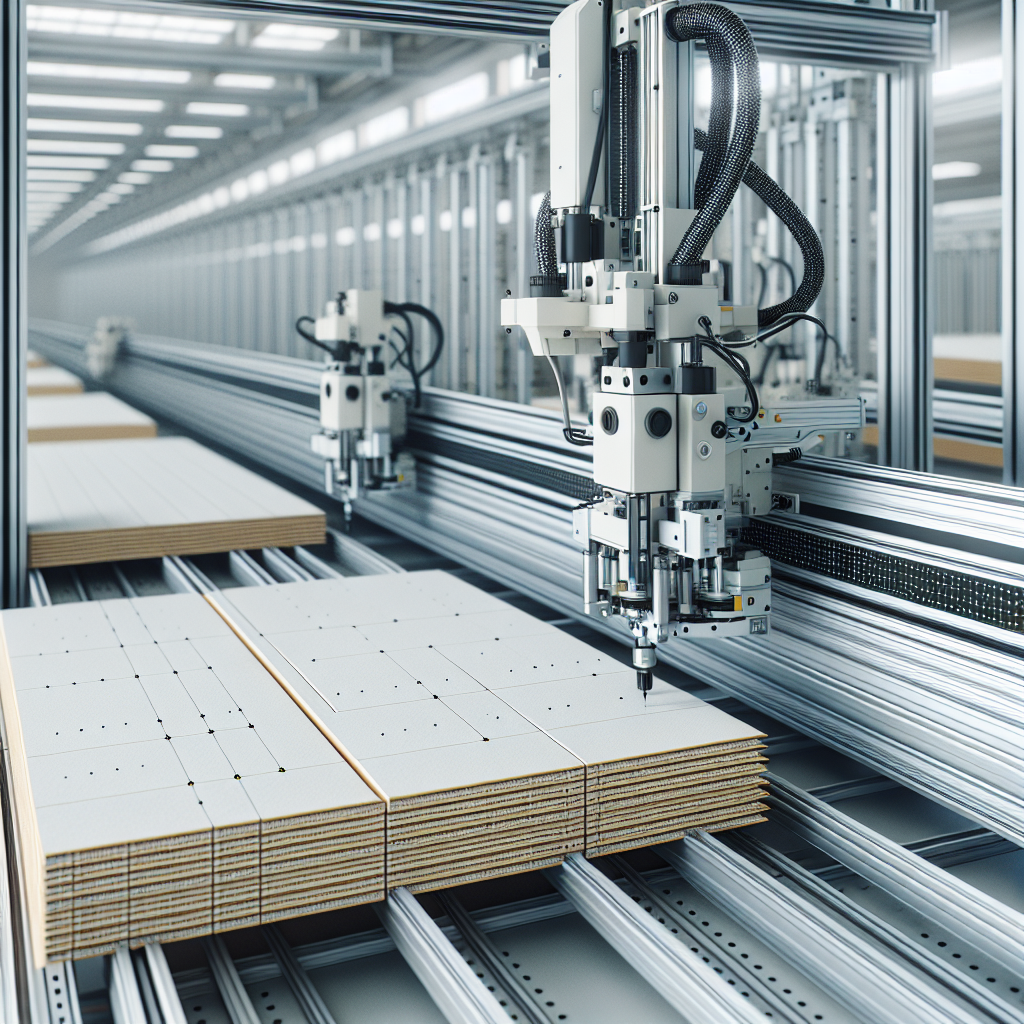
Robotic IA optimized design
Automated Cutting and Panel Adaptation
The WASY panels differ fromtraditional insulating panelsdue to the following key features:
- Integrated fastening system, allowing mechanical anchoring to the wall or a pre-installed grid.
- Removability and reusability, enabling the replacement of individual panels in case of damage.
- Optimization for robotic systems, withidentification and tracking technologiesfor automated installation.
- Automation in cutting and adaptation, eliminating human errors and improving installation precision.
- Improved sealing, withintegrated gasketsto prevent infiltrations.
2. Features and Innovations of the WASY System
2.1. Structure and Composition of the Panels
WASY panels are composed of:
- Prefabricated rear insulating layer, offering the same thermal performance as traditional panels.
- Highly resistant front coating, designed to last over time without deterioration.
- Built-in mechanical fastening system, which can be anchored directly to the wall or to apre-installed modular gridforfaster and more precise installation.
2.2. Innovative Fastening System
One of the mostrevolutionary aspects of the WASY systemis itsremovable yet highly resistant fastening system.
- Thelocking mechanism must withstand weather conditions, thermal expansion, weight, vibrations, and seismic events.
- At the same time, the panel must bequickly unlocked and removed, for example, toreplace a damaged component.
- The use of amagnetic locking systemis being considered, allowing bothsecure attachment and release through magnetic activation, without compromising wall stability.
2.3. Automation and Robotic Installation
UnlikeArmored Cladding, which requiresmanual installation with all the challenges of scaffolding and transportation to upper floors, theWASY system is designed to be installed by robots.
The panels will be equipped withan identification system, such as:
- RFID / NFC Ntag chips
- QR codes or barcodes
These technologies allow therobot to recognize the panel, reading in real-time:
- Panel dimensions and type.
- Model and color.
- Correct position on the facade(e.g., near a window or door).
- Gripping point information for the robot, preventing handling errors.
2.4. Automated Cutting and Panel Adaptation
A major limitation ofArmored Claddingis themanual cuttingrequired to adapt panels toirregular wall dimensions or architectural obstacles.
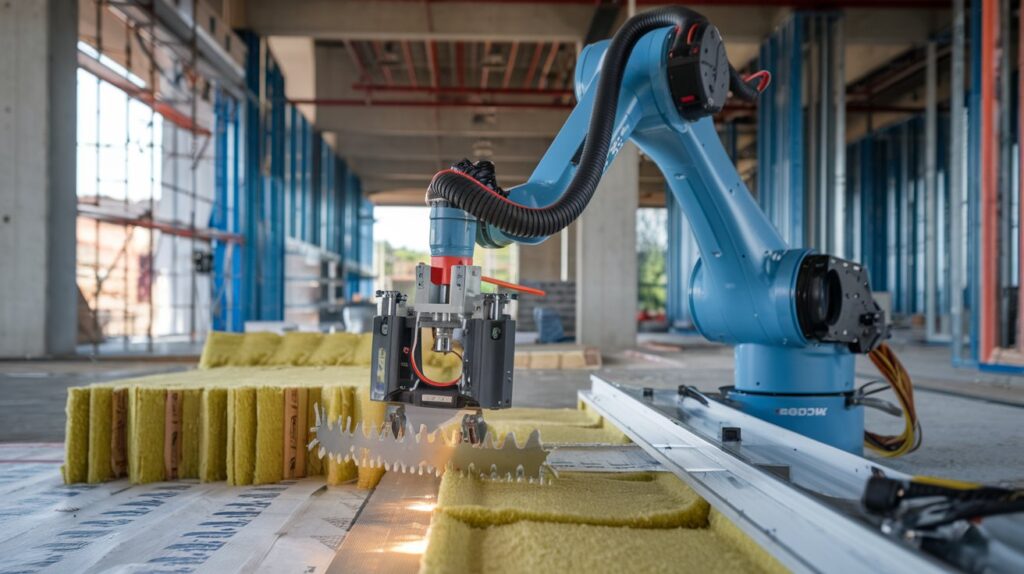
With the WASY system:
- LiDAR or other scanning toolswill detect the wall surface.
- Thesedata will be sent to an automated cutting system, which willprecisely adjust the panelbased on real measurements.
- After cutting, the system will be capable ofrecreating the batten structureto ensure a proper fit between panels.
2.5. Integrated Sealing and Waterproofing
In traditional systems,sealing between panels is done manually using silicone, increasing the risk oferrors and infiltration.
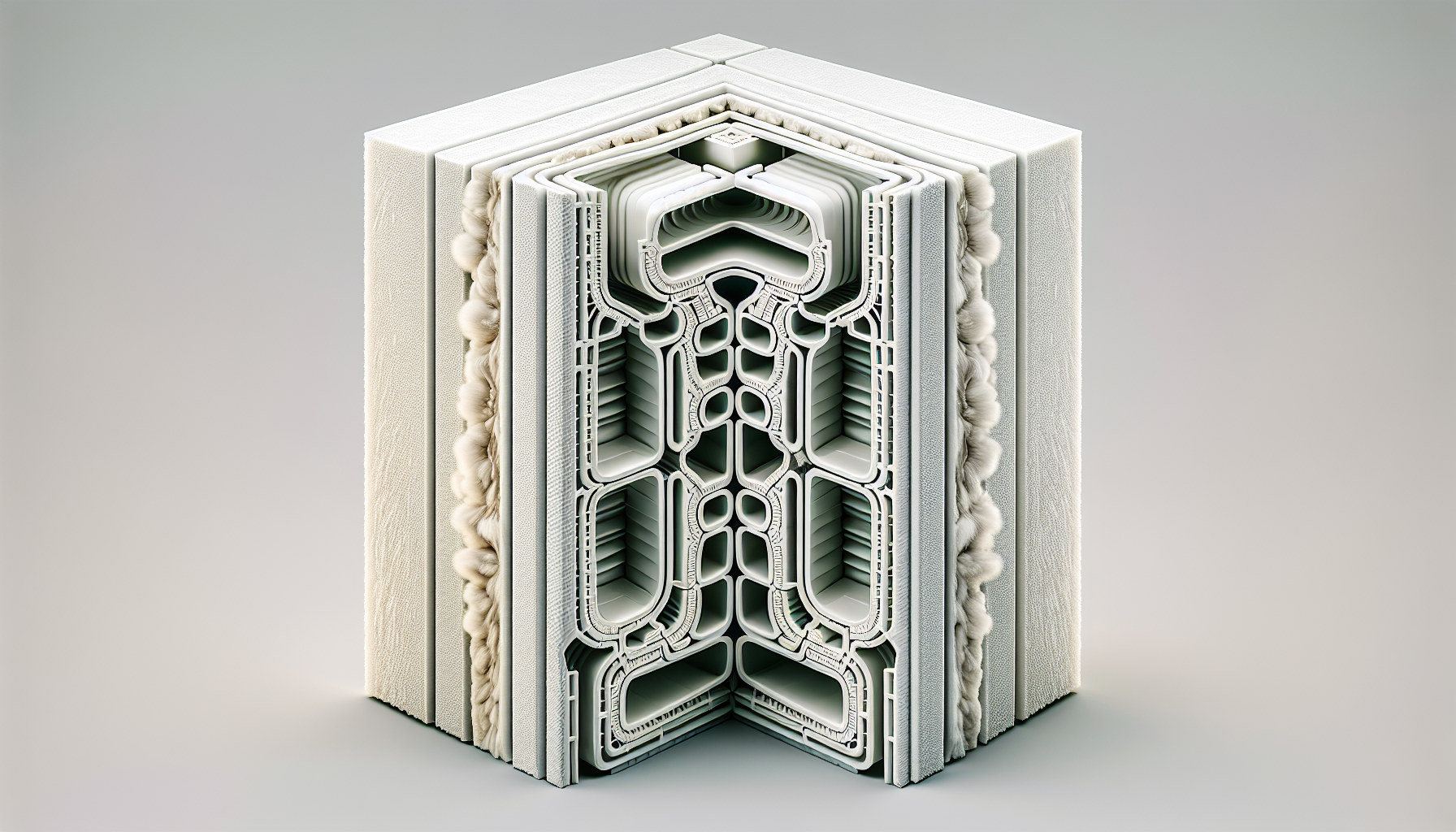
In the WASY system:
- Joints between panels will have integrated gaskets, eliminating the need for manual sealant application.
- Thisenhances resistance to water, dust, and wind, ensuringa more precise and uniform seal.
3. Advantages of the WASY System Compared to Armored Cladding
| Aspect | Armored Cladding | WASY – Wall Adaptive System |
|---|---|---|
| Fastening | Permanent, percussion anchors | Modular and removable with mechanical locking |
| Removal | Impossible without destroying the panel | Possible to remove and replace individual panels |
| Automation | Fully manual installation | Robotic installation with intelligent recognition |
| Cutting | Manual on-site | Automated with LiDAR scanning and cutting system |
| Sealing | Hand-applied silicone | Integrated gaskets in the panels |
| Efficiency | Requires workers, long times, high risks | Eliminates human errors, increases speed, improves safety |
| Workplace Safety | Work on scaffolding, injury risks | Robotic work, eliminates human risks |
| Adaptability | Fixed permanently, non-repositionable | Can be reused and adapted to new buildings |
4. Impact of the WASY System on Costs, Safety, and Efficiency
The introduction of theWASY systembrings numerouseconomic and operational advantages:
- Reduced labor costs: Fewer workers on-site, fewer injury risks, lower insurance costs.
- Faster installation speed: Robotsdrastically reduce assembly time.
- Improved safety: No need for workers tooperate at heights on scaffolding.
- Easy maintenance: Asingle panel can be replaced without demolishing the entire facade.
- Greater precision: Therobotic system ensures error-free installation.
5. Conclusions
TheWASY systemrepresents aradical shift in the building insulation industry. Thanks to itsmodularity, automation, and integrated intelligence, it surpasses all thelimitations of traditional Armored Cladding, offeringgreater efficiency, safety, and sustainability.
The implementation ofrobotic technologies, smart sensors, and innovative fastening systemswill revolutionize the installation ofinsulating panels,eliminating human errors, reducing costs, and improving construction quality.
Comparative Report between Armored Cladding and the WASY
1. Introduction
Thermal insulation is an essential element for theenergy efficiency of buildings.Wall Systemhas developed two solutions to improve thethermal performance of buildings:
- Armored Cladding, a traditional insulation system with panelspermanently glued and anchoredto the wall.
- The new WASY system, amodular and robotizable solution, designed forfaster, more precise, and removable installation.
This report provides a detailed analysis of thedifferences between the two systems, highlighting theinnovations introduced by WASY.
2. Structure and Composition of the Panels
| Feature | Armored Cladding | WASY – Wall Adaptive System |
|---|---|---|
| Materials | Insulating layer + weather-resistant front coating | Insulating layer + durable front coating + integrated fasteners |
| Fastening System | Percussion anchors and cement/polyurethane adhesive | Mechanical fastening system or pre-installed grid |
| Modularity | No, permanent panels | Yes, modular and removable panels |
| Customization | Manual cutting for adaptation | Automated cutting with LiDAR technology |
| Sealing System | Manual silicone between panels | Integrated gaskets in the panels |
- Armored Cladding is a static and permanent solution, while WASY is a dynamic and adaptable system.
- WASY already integrates fasteners, eliminating the need to drill into the wall for mounting.
3. Fastening and Removability
| Feature | Armored Cladding | WASY – Wall Adaptive System |
|---|---|---|
| Fastening Type | Permanent (anchors and adhesive) | Modular, removable, with mechanical/magnetic release system |
| Removal Possibility | No, the panel must be destroyed to be removed | Yes, individual panels can be removed and replaced |
| Damaged Panel Replacement | Impossible without demolition | Simple replacement with unlocking mechanism |
| Reusability | No, panels are single-use | Yes, panels can be repositioned on other buildings |
- Armored Cladding is a fixed and irreversible solution, while WASY allows panels to be replaced and reused, reducing waste.
- The WASY locking system can be released mechanically or magnetically, enablingtargeted maintenance interventions.
4. Installation Automation
| Feature | Armored Cladding | WASY – Wall Adaptive System |
|---|---|---|
| Installation Method | Manual, with workers on-site | Robotic, with automated installation |
| Worksite Safety | Work at height, risk of injury | No workers on scaffolding, increased safety |
| Installation Time | Long, prone to human errors | Fast and precise, reduced errors |
| Panel Handling | Requires manual lifting on scaffolding | Direct installation with robots, without obstacles |
- Armored Cladding requires extensive manual labor, long installation times, and scaffolding work.
- WASY is designed for robotic installation, reducing installation time and improvingworksite safety.
- With WASY, the risk of height-related injuries and manual handling is eliminated.
5. Precision and Adaptation
| Feature | Armored Cladding | WASY – Wall Adaptive System |
|---|---|---|
| Size Adaptability | Manual cutting, risk of inaccuracies | Automated cutting based on LiDAR scanning |
| Panel Alignment | Depends on the manual skills of workers | Perfect alignment with robotic assistance |
| Adaptation for Corners and Windows | Requires manual cutting | Automatic recognition of panel placement |
| Installation Errors | Human errors possible | Precise installation, no waste |
- Armored Cladding depends on operator skill, increasing the possibility of errors.
- WASY uses sensors and scanners to automatically calculate measurements, ensuring absolute precision.
- The WASY system integrates RFID, NFC chips, or QR codesto identify the correct panel and its exact positioning.
6. Economic and Environmental Impact
| Feature | Armored Cladding | WASY – Wall Adaptive System |
|---|---|---|
| Labor Costs | High, requires specialized workers | Lower, automated installation |
| Installation Time | Long, dependent on weather and safety conditions | Fast, independent of workers |
| Maintenance Costs | High, requires demolition for repairs | Low, individual panels replaceable without full removal |
| Environmental Sustainability | Non-reusable panels, high material waste | Reusable panels, waste reduction |
| Waste Materials | High, difficult disposal | Low, thanks to reusability |
- Armored Cladding has high labor costs and a significant environmental impact, as each replacement requires panel demolition.
- WASY reduces operating costs and waste, allowing panel removal and reuse.
- The robotic installation of WASY reduces dependence on labor, lowering overall costs.
7. Conclusions
TheWASY – Wall Adaptive Systemrepresents aradical technological evolutioncompared toArmored Cladding.
Main Advantages of WASY Over Armored Cladding
Modularity and removability: Panels can be individually replaced.
Advanced fastening: More resistant and flexible, with mechanical or magnetic unlocking.
Automation: Robotic installation for increased safety and speed.
Precise cutting and adaptation: Thanks to LiDAR scanners and artificial intelligence.
Economic efficiency: Reduced labor and maintenance costs.
Sustainability: Less waste and reusable materials.
In summary,Armored Claddingis atraditional, permanent, and static system, whileWASY is an innovative, intelligent, and modular system, capable ofrevolutionizing the building insulation industry.